 0
0
 0
0
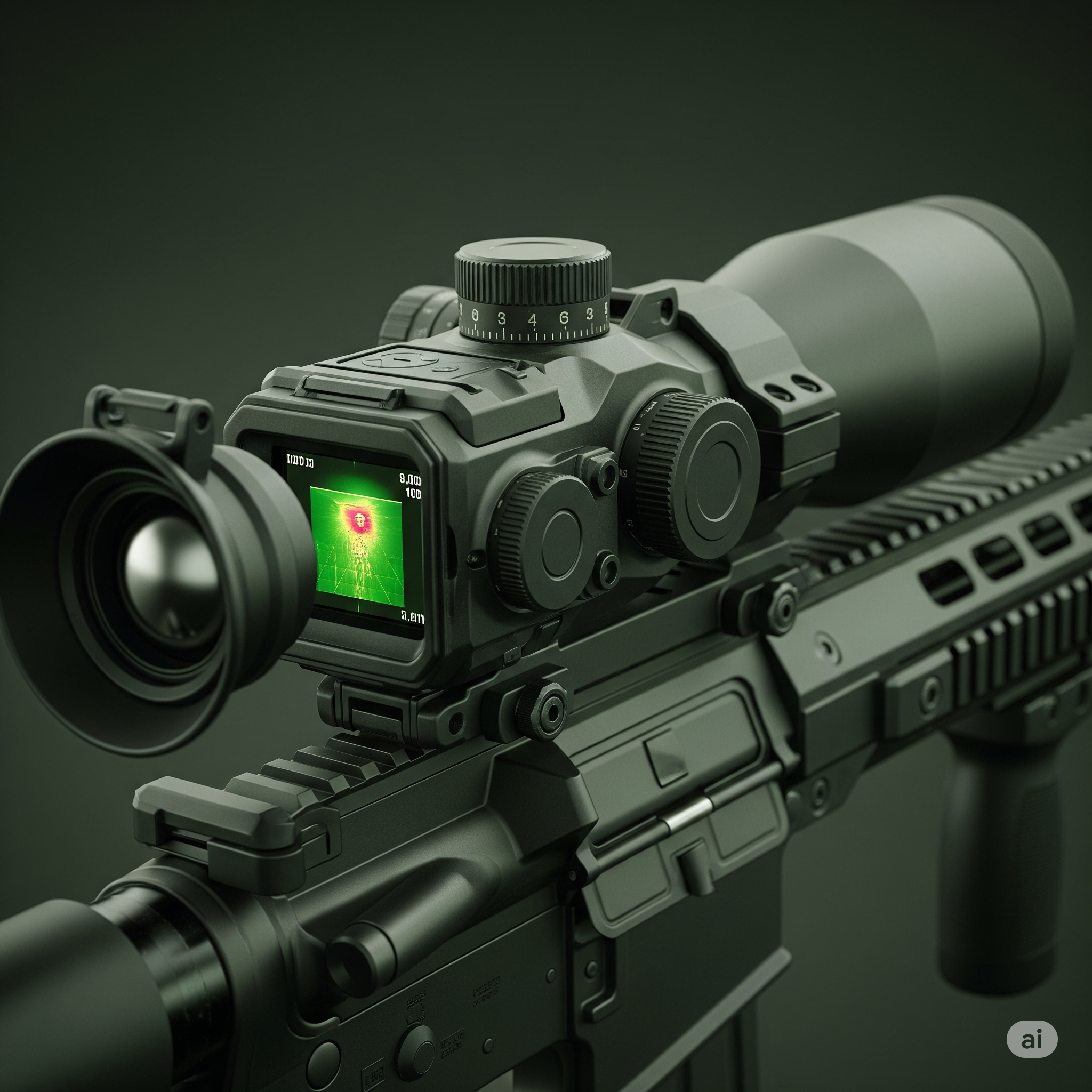
When it comes to advanced hunting and tactical precision, thermal rifle scopes are the gold standard. These cutting-edge devices allow shooters to detect heat signatures from animals, humans, and objects, regardless of lighting conditions. From wildlife control to night operations, thermal scopes are game-changers in modern-day optics. In this comprehensive guide, we explore everything from range and legality to the best thermal rifle scopes on the market.
What Are Thermal Rifle Scopes and How Do They Work?
Thermal rifle scopes operate by detecting infrared radiation (heat) emitted by objects in their environment. Unlike night vision, which requires ambient light, thermal scopes can identify targets in total darkness, through fog, smoke, and light foliage. The captured heat signature is converted into a visible image on the scope’s display—allowing users to see contrast between hot and cold objects, making detection easier.
Which Is the Best Thermal Rifle Scope in 2025?
Choosing the best thermal rifle scope depends on intended use, range, resolution, and budget. As of 2025, several models stand out for their performance and reliability:
1. Pulsar Thermion 2 LRF XP50 PRO
-
Resolution: 640×480 @ 17µm
-
Detection Range: Up to 2,000 yards
-
Integrated Laser Rangefinder
-
Recoil Rated: Up to .375 H&H
-
Price: Premium range
This scope delivers exceptional image clarity with fast refresh rates, perfect for long-range precision and tactical hunting.
2. AGM Rattler TS50-640
-
Sensor: 640×512
-
Magnification: 2.5x – 20x digital zoom
-
Compact Design
-
Mount: Standard 30mm rings
Ideal for hog hunting and medium-to-long range applications, the AGM Rattler offers professional-grade imaging at a competitive price.
3. ATN Thor 5 640 4-40x
-
Advanced Obsidian 5 Dual Core Processor
-
Smart features: Ballistics calculator, recoil-activated video, Wi-Fi streaming
-
Range: Up to 1800 yards
-
Battery Life: 10+ hours
With its digital power and AI integration, this scope provides a tech-rich solution for both day and night hunting.
What Is the Range of a Thermal Rifle Scope?
The detection range of a thermal rifle scope is primarily influenced by sensor resolution, lens quality, and environmental conditions.
-
Entry-level scopes: 300 – 600 yards
-
Mid-range scopes: 600 – 1,200 yards
-
High-end scopes: Up to 2,000+ yards
It’s important to differentiate between detection, recognition, and identification ranges. While you might detect heat from 2000 yards, recognizing or identifying the target typically occurs at shorter distances.
Which Is Better: Thermal or Infrared Scope?
The debate between thermal vs. infrared scopes depends on your specific needs:
| Feature | Thermal Scope | Infrared (Night Vision) Scope |
|---|---|---|
| Visibility | Detects heat – usable in total darkness | Requires ambient IR light |
| Target Detection | Superior in all weather conditions | Limited in smoke/fog |
| Price | Generally more expensive | Affordable options available |
| Durability | Highly rugged and waterproof | Less durable in extreme conditions |
Thermal scopes are better for detection and all-terrain use, while infrared scopes are budget-friendly for low-light enhancement.
Is Thermal Vision Illegal?
Thermal vision is legal for civilian use in most countries, including the United States. However, regulations may vary by:
State hunting laws – Some states restrict the use of thermal scopes during hunting seasons.
Export restrictions – Thermal devices are often controlled under ITAR (International Traffic in Arms Regulations), meaning unauthorized export is illegal.
Surveillance and privacy laws – Using thermal scopes to observe private property or individuals without consent may breach privacy laws.
Always verify local laws before using or purchasing thermal optics.
Can Thermal Cameras See Guns?
Thermal cameras cannot directly see guns unless the weapon is warmer than the surroundings. If someone has recently fired a gun, the barrel may appear hot on thermal imaging. However, under normal conditions:
-
Cold firearms blend into ambient temperatures
-
Metal objects can appear cooler or hotter depending on their thermal conductivity
Thus, thermal scopes detect heat, not the object itself—making gun detection possible only under specific conditions.
Are Snake Cameras Real?
Yes, snake cameras—also known as endoscope or borescope cameras—are real and widely used in inspection, plumbing, automotive repair, and law enforcement.
-
Design: Long, flexible tube with a camera at the tip
-
Application: Used to inspect tight, hard-to-reach areas
-
Military/Surveillance Use: Some advanced snake cameras come with thermal or infrared features for stealth operations
While not thermal rifle scopes, snake cameras serve complementary tactical roles in field operations.
How to Trap a Snake Using Thermal Imaging
Thermal imaging can assist in snake detection but is not typically used for trapping. Here’s how thermal scopes can help:
Identify Snake Heat Signature – Use your scope to spot the snake’s warm body against the cooler surroundings.
Observe from Distance – Avoid getting too close; monitor the movement.
Guide Trapping Location – Pinpoint where the snake is nesting.
Use Proper Snake Traps – Deploy glue traps, bucket traps, or funnel traps at identified locations.
Safety First – Always wear protective gear and contact local wildlife experts if dealing with venomous species.
While thermal scopes are not designed for pest control, they provide an edge in visibility, especially in low-light conditions.
Thermal Rifle Scopes: A Revolution in Hunting and Tactical Optics
Thermal rifle scopes are revolutionizing the way professionals and enthusiasts approach target acquisition, wildlife observation, and tactical defense. Their ability to detect heat in complete darkness, through obstacles and inclement weather, gives users a tactical edge.
Whether you’re a professional marksman, a hunter, or a tactical operator, investing in a high-quality thermal scope can redefine your precision and awareness. Always check local laws, understand your specific use case, and choose a model that fits your environment and target range.


