 0
0
 0
0
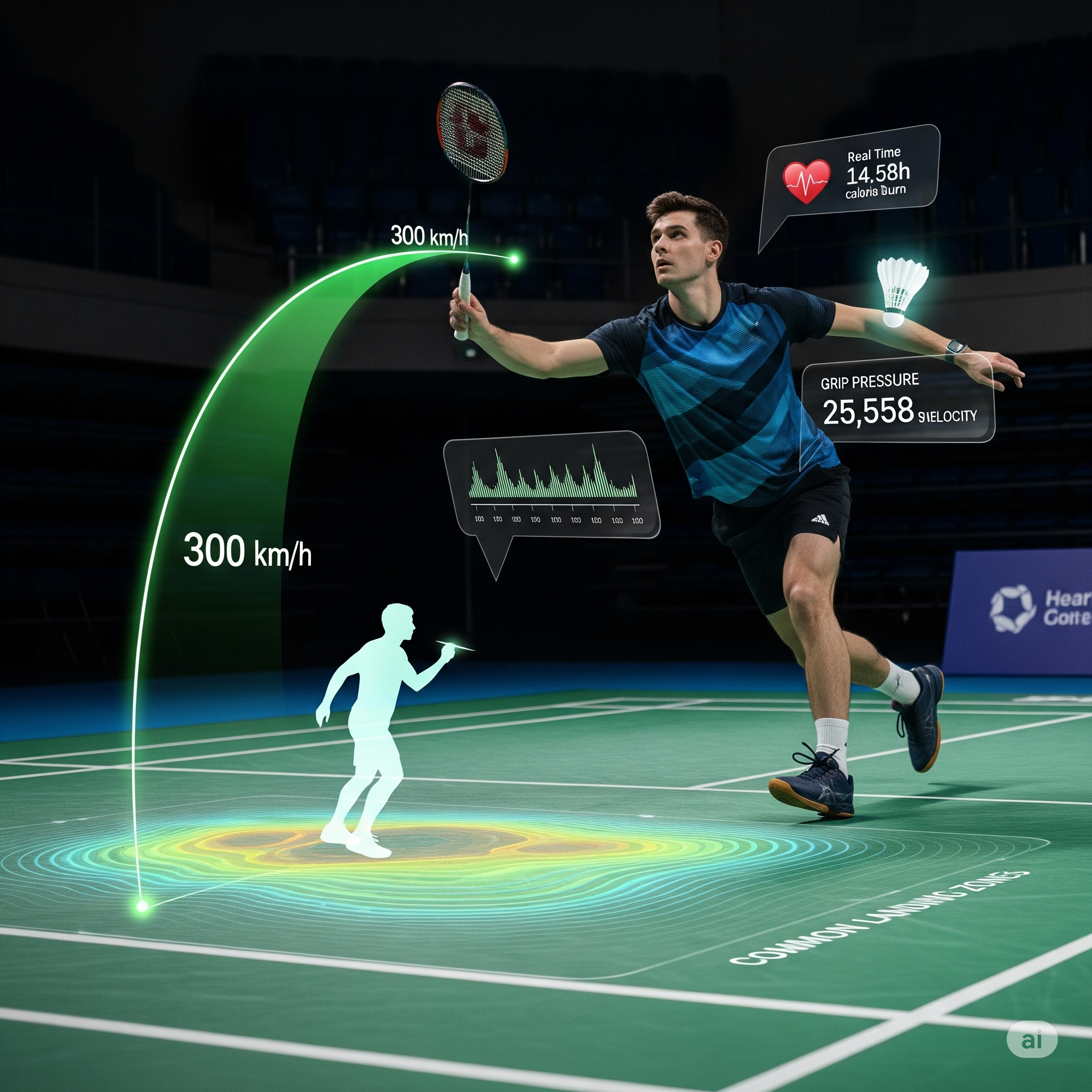
Technology has become an integral part of modern badminton, influencing training, equipment design, officiating, and match analysis. By integrating advanced tools such as video analysis, AI-powered tracking systems, and sensor-based equipment, both athletes and coaches can elevate their game to unprecedented levels. Below, we explore the role of technology in badminton, how it impacts performance, and the tools that officials and players rely on to ensure accuracy, efficiency, and continuous improvement.
Enhancing Training and Coaching in Badminton
Training efficiency in badminton has been revolutionized by cutting-edge technology. This transformation is most evident in video analysis systems, AI-driven coaching tools, and intelligent courts.
High-Speed Video Analysis
Coaches now rely on high-speed cameras and specialized video software to analyze each movement in detail. Every footwork pattern, swing motion, and shuttle strike can be slowed down and reviewed frame-by-frame, enabling targeted feedback and precise corrections.
Intelligent Court Systems
Modern badminton courts can be fitted with motion-tracking sensors and automated cameras that log shuttlecock trajectories, foot positioning, and impact zones. This data, collected in real time, provides players with immediate insights for technical adjustments and improved gameplay strategies.
Machine Learning and AI Integration
AI-powered algorithms can recognize player tendencies, detect biomechanical inefficiencies, and even predict potential injury risks. By assessing movement patterns over time, AI helps coaches design proactive injury prevention programs and more personalized training schedules.
Personalized Training Plans
Thanks to wearable trackers and performance analytics, training can now be tailored to each athlete’s strengths, weaknesses, and stamina levels. Studies from ResearchGate confirm that customized programs significantly enhance skill acquisition and game readiness.
Improving Badminton Equipment Through Technology
Equipment advancements have had a direct influence on speed, power, and precision in badminton. Rackets, shuttlecocks, and performance wear have all benefited from technological progress.
Advanced Racket Designs
Modern rackets are built using carbon fiber composites and aerodynamic frame shapes to minimize air resistance and maximize power output. Some designs integrate geometric shaft engineering for better control and faster swing speeds, giving players a crucial competitive edge.
Impact and Motion Sensors
Racket-mounted or wrist-worn impact sensors measure shot accuracy, shuttle speed, and swing force. These readings help athletes fine-tune shot placement and consistency.
Aerodynamic Shuttlecocks
Manufacturers have developed shuttlecocks with optimized flight stability, reducing deviations caused by air currents. This results in predictable flight paths, allowing for more precise gameplay.
Aiding Performance Analysis Through Real-Time Data
Performance analysis has evolved far beyond simple observation. Live feedback systems and statistical modeling tools now provide in-depth reports that help players improve match strategies.
Real-Time Feedback
By using court-based tracking cameras and smart sensors, players can receive instant performance reports during training sessions. This immediate feedback allows for on-the-spot tactical changes.
Comprehensive Statistical Analysis
Data from match recordings, shuttle trajectories, and player positioning is compiled into detailed performance charts. Coaches use this to identify recurring weaknesses and refine tactical approaches.
Enhanced Decision-Making
With accurate objective performance data, players are better equipped to make strategic in-game choices, such as when to attack, defend, or attempt high-risk smashes.
Technology in Badminton Officiating
Fair play in badminton has been reinforced by advanced officiating technology.
Instant Replay and Video Challenges
Systems like Hawk-Eye use multiple high-speed cameras to determine shuttle landing spots with millimeter accuracy. Players can challenge questionable line calls, ensuring fair and unbiased decisions.
Electronic Line-Calling Systems
Automated line-calling reduces human error and speeds up match decisions, maintaining the flow and integrity of the game.
Score Tracking and Digital Match Systems
Referees now use electronic scoring devices and real-time match software to ensure accurate scorekeeping and provide instant updates to broadcasters and spectators.
How Technology Impacts Sports Performance in General
The impact of technology is not confined to badminton—it extends across the sports industry.
-
Improved Training Efficiency: Wearable sensors, GPS trackers, and biomechanical analysis tools help athletes train smarter, not just harder.
-
Injury Prevention: AI and data analytics predict injury risks, allowing for early intervention.
-
Enhanced Spectator Engagement: Advanced broadcasting techniques, AR replays, and interactive statistics enhance fan experience.
-
Equal Opportunities: Technological tools make training more accessible and transparent, helping level the playing field.
Key Takeaways on Technology’s Role in Badminton
-
Training Precision: Video analysis, AI tracking, and intelligent courts refine skills.
-
Equipment Innovation: Aerodynamic rackets, smart shuttlecocks, and impact sensors enhance play.
-
Performance Analytics: Real-time data and statistical insights shape better strategies.
-
Fair Play Officiating: Hawk-Eye, electronic line calls, and digital scoring ensure accuracy.
Conclusion
Technology has transformed badminton from a traditional racquet sport into a data-driven discipline, where every shot, movement, and tactical decision can be measured and improved. Whether it’s through AI-driven training plans, aerodynamic rackets, or instant replay systems, the influence of technology is undeniable. As these innovations continue to evolve, they promise faster gameplay, fairer officiating, and higher performance standards for players worldwide.


