 0
0
 0
0
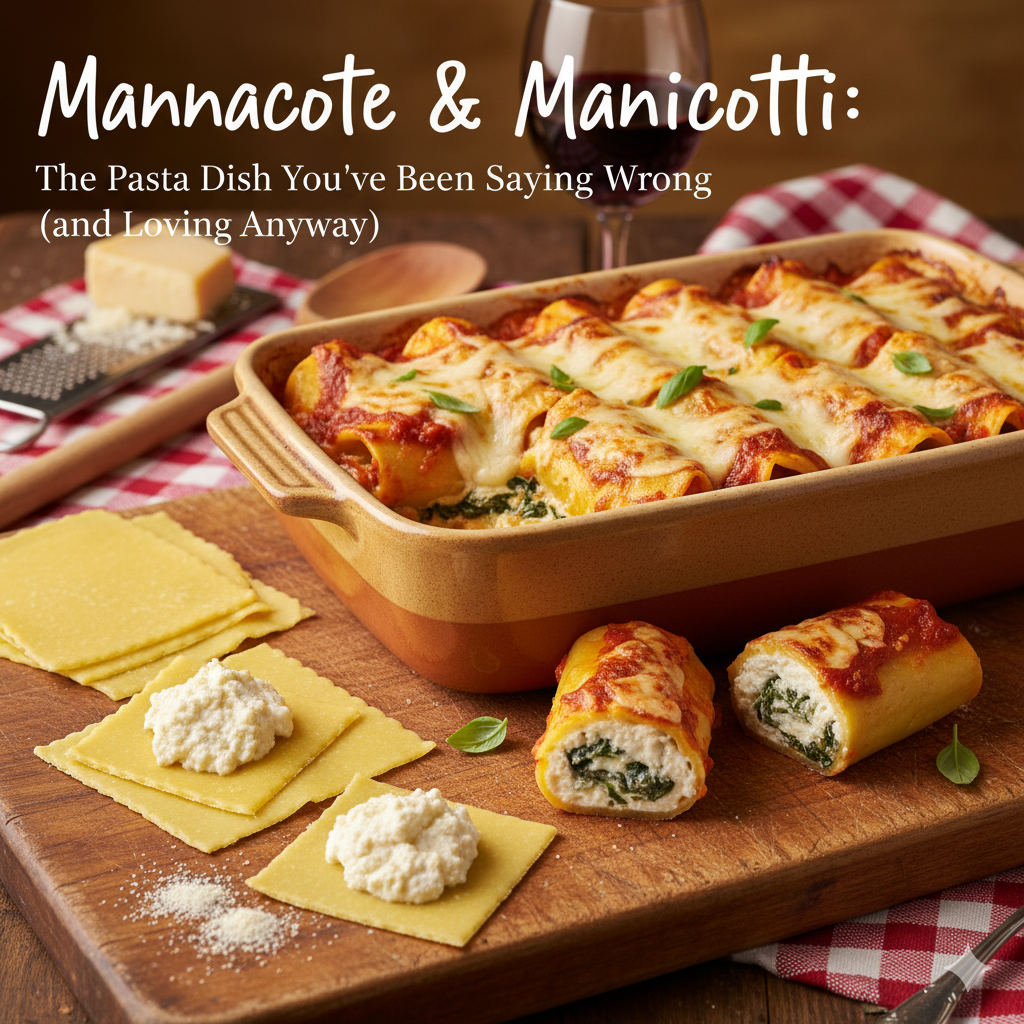
Food has a funny way of traveling across borders, picking up new names, pronunciations, and flavors along the way. One delicious example is mannacote a word you may have heard around family dinner tables, local Italian-American restaurants, or even in online recipes. But here’s the twist: mannacote is actually a playful mispronunciation of manicotti, the classic Italian-American pasta dish that has been warming hearts and bellies for generations.
In this guide, we’ll explore everything you need to know about mannacote: its origins, how it’s made, why the name stuck, and how it even extends into a different world entirely as a natural fertilizer also called Mannacote. From the dinner table to the garden, this term has more layers than the baked pasta itself.
What Is Mannacote?
When someone says mannacote, they’re almost always talking about manicotti large pasta tubes filled with creamy ricotta cheese, herbs, and sometimes spinach or ground meat. The stuffed pasta is then smothered in a rich tomato sauce, topped with mozzarella or parmesan, and baked until golden and bubbly.
-
Pasta Tubes: Hollow, ridged noodles designed for stuffing.
-
Filling: A cheesy blend of ricotta, mozzarella, parmesan, eggs, and herbs.
-
Optional Additions: Spinach, ground beef, sausage, or seafood.
-
Sauce: Traditional marinara, creamy béchamel, or even arrabbiata for spice lovers.
Though the name mannacote isn’t recognized in Italian culinary books, it has become a cultural variant in American-Italian households, particularly in the Northeastern U.S.
Mannacote vs. Manicotti
The big question: Is there any difference between mannacote and manicotti?
The short answer: No. The difference is purely linguistic.
-
Manicotti: The official Italian-American term, meaning “little sleeves.”
-
Mannacote: A family nickname, phonetic twist, or mispronunciation passed down in immigrant households.
In Italy, the closest authentic dish is cannelloni, which uses fresh pasta sheets rolled into cylinders and filled with similar ingredients.
So, whether you say manicotti or mannacote, you’re eating the same comforting baked pasta.
Why People Say Mannacote Instead of Manicotti
Language evolves, especially when it crosses oceans. Italian immigrants arriving in the U.S. in the late 19th century often carried recipes and words with them. Over time, accents and dialects shaped how words were spoken.
For example:
-
“Manicotti” in Southern Italian dialects could sound like mann-i-gawt or mannacote.
-
Families repeated what they heard at the dinner table.
-
Restaurants picked up these pronunciations and added them to menus.
That’s how mannacote became a beloved alternate name, carrying not just flavor but also family nostalgia.
How to Make Classic Mannacote at Home
You don’t need to be a professional chef to create this delicious dish. Here’s a simple, step-by-step recipe:
Ingredients
-
12 manicotti pasta tubes
-
2 cups ricotta cheese
-
1 ½ cups shredded mozzarella
-
½ cup grated parmesan
-
2 large eggs
-
2 cups marinara sauce
-
Fresh parsley and basil (chopped)
-
Optional: spinach, ground beef, or sausage
Instructions
-
Cook the Pasta: Boil pasta tubes until just shy of al dente. Drain and cool.
-
Prepare the Filling: Mix ricotta, mozzarella, parmesan, eggs, and herbs. Add spinach or meat if desired.
-
Fill the Tubes: Use a piping bag (or a spoon) to stuff each pasta tube.
-
Layer the Dish: Spread marinara sauce in a baking dish, arrange the stuffed tubes, and cover with more sauce.
-
Top with Cheese: Sprinkle mozzarella and parmesan on top.
-
Bake: Cover with foil and bake at 375°F (190°C) for 30 minutes. Remove foil and bake an additional 10 minutes until golden.
-
Serve: Let it rest for 10 minutes, then garnish with fresh basil.
Variations of Mannacote
The beauty of mannacote is its versatility. Families often adapt the recipe to suit their tastes. Here are some popular twists:
-
Vegetarian: Spinach and ricotta filling with nutmeg for depth.
-
Meat Lover’s: Ground beef or Italian sausage blended with cheese.
-
Seafood: Crab meat or shrimp with lemon zest and dill.
-
Vegan: Tofu ricotta, nutritional yeast, and almond-based cream sauce.
-
Spicy: Arrabbiata sauce with hot Italian sausage.
Mannacote vs. Cannelloni vs. Stuffed Shells
Many pasta dishes share a similar idea: stuffed pasta baked with sauce. But each has its own identity:
| Dish | Pasta Shape | Origin | Typical Filling |
|---|---|---|---|
| Mannacote (Manicotti) | Large ridged tubes | Italian-American | Cheese, meat, or spinach |
| Cannelloni | Fresh pasta sheets rolled | Italy | More refined fillings, béchamel |
| Stuffed Shells | Jumbo pasta shells | American adaptation | Cheese or meat |
Nutritional Profile of Mannacote
A standard serving (2 tubes with sauce and cheese) contains:
-
Calories: 350–450
-
Carbs: 35–45g
-
Protein: 18–22g
-
Fat: 18–25g
-
Fiber: 2–3g
To lighten it up, you can use part-skim ricotta, add vegetables, or swap pasta for zucchini or eggplant slices.
Mannacote in Modern Cuisine
Social media has revived interest in hearty, nostalgic dishes like mannacote. From TikTok recipe videos showing gooey cheese pulls to restaurant chefs giving it a gourmet spin, mannacote has proven its timeless appeal.
Modern versions include:
-
Plant-based cheese fillings
-
Gluten-free pasta alternatives
-
Upscale plating with truffle oil or roasted red pepper sauce
The Other Mannacote: A Natural Fertilizer
Interestingly, the word Mannacote also refers to something completely different: a natural fertilizer.
-
Science Behind It: Uses encapsulated nutrients that release slowly, feeding plants consistently.
-
Health Benefits: Produces nutrient-rich vegetables with fewer chemicals.
-
Environmental Impact: Reduces runoff pollution and supports biodiversity.
-
How to Use: Sprinkle around plants or mix into soil before planting.
This dual meaning makes Mannacote unique—it’s both a pasta dish and a garden helper.
Conclusion
Whether you know it as mannacote or manicotti, this dish is more than just pasta it’s a story of immigration, adaptation, and family tradition. It’s the kind of comfort food that connects generations and continues to evolve with modern twists.
And beyond the kitchen, Mannacote as a fertilizer shows us another side of how tradition and science can blend to nurture both people and the planet.
NCD!


