 0
0
 0
0
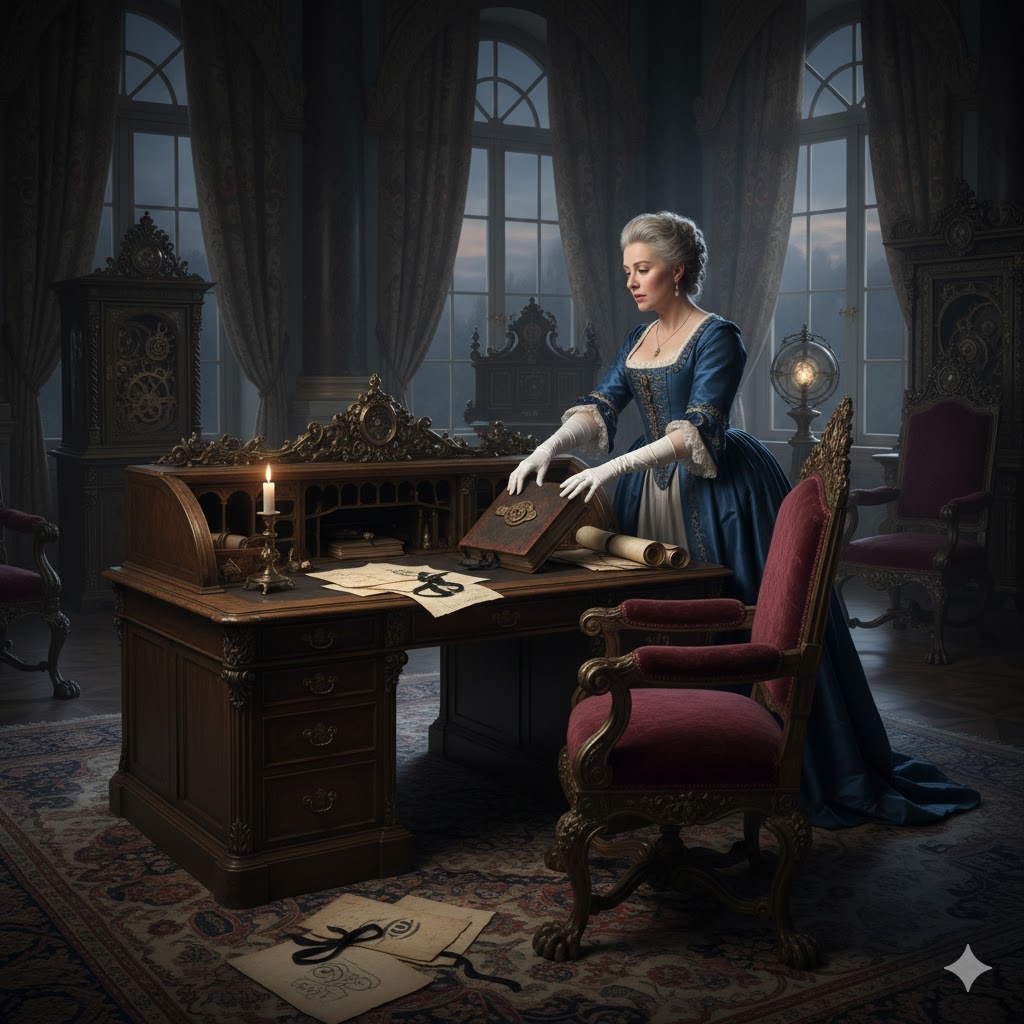
The legacy of Catherine the Great, Russia’s most powerful empress, extends far beyond politics and empire-building. Among the most intriguing aspects of her personal legend is the persistent tale surrounding Catherine the Great’s furniture specifically, the rumored existence of an “erotic cabinet.” This myth, blending history, art, and scandal, continues to fascinate historians and the public alike. Yet behind the whispers of suggestive furnishings lies a far more compelling truth: Catherine’s real contributions to the arts and design were marked by sophistication, taste, and cultural ambition.
The Myth of Catherine the Great’s “Erotic Cabinet”
The “erotic cabinet” legend tells of a secret room hidden within one of Catherine’s grand palaces—possibly Tsarskoye Selo or Gatchina Palace furnished with sexually explicit art and furniture. According to the tale, these pieces allegedly included tables with phallic legs, chairs carved with erotic motifs, and wall art depicting intimate scenes.
The story gained widespread attention during the 20th century, fueled by rumors that Nazi soldiers, during the invasion of the Soviet Union in 1941, had stumbled upon and photographed this hidden chamber. Supposedly, these photographs disappeared during the war, giving rise to countless conspiracies about their existence.
The Alleged Discovery: Nazi Accounts and Missing Evidence
Historical claims suggest that German soldiers found this erotic furniture collection during World War II. Some versions of the story state that soldiers took two or three photographs before the palaces were bombed and destroyed. However, no verified images of such furniture have ever surfaced, and the accounts vary significantly in detail.
According to HowStuffWorks and Wikipedia, historians have repeatedly examined these claims and found numerous inconsistencies. The alleged timeline, palace locations, and supposed photographic evidence all contain factual errors. Additionally, no official Soviet or postwar records mention any recovery of such artifacts.
As a result, most historians believe that the “erotic furniture” narrative is more fiction than fact an enduring myth born from Catherine’s reputation and the public’s fascination with her personal life.
Catherine’s Reputation and the Birth of a Legend
Catherine the Great’s personal and political life made her a target for gossip and exaggeration. Her multiple romantic relationships, combined with her powerful status as a woman ruler in a patriarchal society, fueled salacious rumors.
The myth of the erotic cabinet likely originated from these moralistic attacks. Enemies of the empress, including her son Paul I and foreign writers, painted her as a figure of excess morally and materially. Over time, this blend of misogyny and imagination gave rise to the legend of a secret erotic chamber, symbolizing both her sensuality and her defiance of convention.
Catherine the Great’s Real Furniture: Artistic Patronage and European Elegance
Beyond the myths, Catherine the Great’s true legacy in furniture design and decoration is one of elegance, refinement, and artistic patronage. She was a major patron of European artists, architects, and craftsmen, commissioning some of the most exquisite furnishings in 18th-century Europe.
A Patron of the Arts
Catherine saw art and architecture as extensions of imperial power and intellect. She invited renowned designers from France, Italy, and England to craft furniture for her numerous palaces, including the Winter Palace, Tsarskoye Selo, and Peterhof. Her aesthetic preferences reflected Rococo and Neoclassical styles, marked by fine materials, intricate detailing, and balanced symmetry.
European Influence and Russian Grandeur
The empress’s tastes leaned heavily toward Western European influence, particularly French and English design schools. She admired the works of Louis XVI-era artisans, whose furniture emphasized grace, proportion, and classical motifs.
To integrate these influences, Catherine employed Russian cabinetmakers to replicate and refine imported designs. The result was a fusion of European sophistication and Russian craftsmanship, creating an aesthetic that symbolized a new, modern Russia.
Iconic Examples of Catherine’s Furniture
Catherine’s actual furniture collections showcased artistry rather than eroticism. Notable examples include:
-
Gilded chairs and settees with elaborate carvings and velvet upholstery.
-
Porcelain-inlaid tables crafted by master artisans from Meissen and Sèvres.
-
Mahogany cabinets featuring intricate marquetry, often displaying classical motifs.
-
Crystal chandeliers and mirrors, emphasizing light and opulence.
Many of these pieces survive today in Russian museums, offering tangible evidence of Catherine’s refined aesthetic vision and dedication to cultural advancement.
Why Is Everyone Talking About Catherine the Great’s Furniture?
The ongoing fascination with Catherine the Great’s furniture reflects both the allure of scandal and the mystique of royal life. In modern media, from TikTok videos to YouTube shorts, her name resurfaces regularly, often tied to the mythical erotic furniture collection.
Yet behind the sensationalism lies a legitimate interest in Catherine’s artistic contributions. Historians and collectors, such as those at M.S. Rau Antiques and Dornob, have explored the craftsmanship and symbolism behind the empress’s interior décor revealing not debauchery, but brilliance.
The truth is that Catherine’s artistic patronage helped elevate Russian decorative arts to a level that rivaled Western Europe. Her furniture was not a reflection of sensual indulgence but rather of cultural ambition and imperial identity.
The Enduring Allure of the Myth
Despite the lack of proof, the erotic furniture legend continues to capture imaginations. Its survival speaks to the power of storytelling and the human fascination with secret lives of the powerful. The myth blends history, sexuality, and mystery, ensuring that Catherine’s name remains synonymous with both enlightenment and intrigue.
Historians emphasize that such myths, while entertaining, obscure the empress’s true historical achievements including expanding Russian territory, reforming administration, and supporting education and culture. Yet in popular culture, it is often the blend of fact and fiction that keeps historical figures alive in public memory.
Conclusion: Beyond the Myth of the “Erotic Cabinet”
The truth about Catherine the Great’s furniture lies not in scandal but in artistry. Her real legacy is that of a visionary ruler who used art and design to express political authority and cultural refinement. While the “erotic cabinet” remains an enticing legend, it overshadows her genuine achievements as a patron of beauty and innovation.
In the end, whether myth or masterpiece, Catherine’s furniture reflects the spirit of an empress who transformed Russia into a center of European sophistication one chair, one table, and one myth at a time.


