 0
0
 0
0
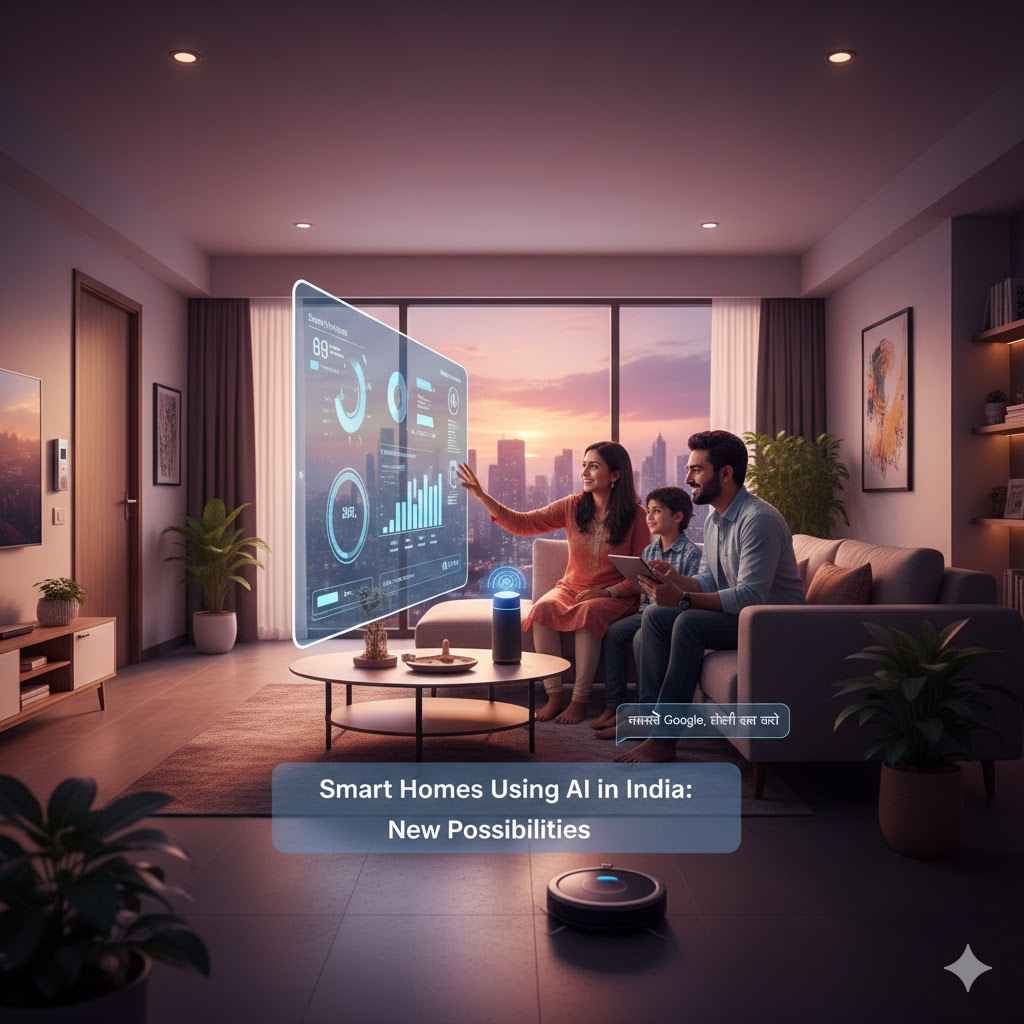
In India, artificial intelligence (AI) is reshaping the concept of smart homes, turning them from simple automation systems into intelligent, proactive, and adaptive living environments. This transformation is powered by the growing demand for comfort, security, and energy efficiency among tech-savvy Indian homeowners. As AI becomes more accessible and affordable, it is unlocking new possibilities across multiple aspects of modern living.
What Are Smart Homes and How AI Enhances Them
A smart home integrates connected devices to automate daily tasks, but with AI, automation becomes predictive and personalized. Instead of merely responding to commands, AI learns from user behavior, identifies preferences, and adapts to dynamic living conditions. It processes data from sensors, cameras, voice commands, and devices to optimize comfort, energy usage, and safety.
Unlike traditional systems, AI-powered smart homes in India adapt to diverse lifestyles from urban apartments to rural houses making the technology suitable for a variety of environments. This adaptability is a key reason behind the rapid expansion of the smart home market across the nation.
The Rising Smart Home Market in India
The Indian smart home market is growing at an impressive pace, with projections suggesting a CAGR of over 20% through 2028. The adoption is driven by increasing internet access, competitive device pricing, and consumer awareness of automation benefits.
Key Market Drivers
-
Urbanization & Digital India Initiatives: Government-backed programs like Digital India and the Smart Cities Mission are encouraging smart home integration.
-
Affordable IoT Devices: Smart bulbs and plugs starting at under ₹1,000 make entry-level automation accessible.
-
Localized Innovation: Indian startups like Oakter, Smarten Spaces, and Zupee Home are designing products suited for regional needs, including multi-language voice control and compatibility with Indian power standards.
Core AI Technologies Driving Indian Smart Homes
1. Voice Assistants and Natural Language Processing (NLP)
Voice control remains the most visible AI feature in smart homes. Devices such as Amazon Echo and Google Nest support Hindi and regional languages, allowing seamless interaction. These AI systems enable users to control lighting, appliances, and entertainment systems hands-free, enhancing accessibility for all age groups.
2. Machine Learning for Energy Optimization
AI-based thermostats and energy management systems analyze daily routines, adjust cooling or heating, and minimize wastage. These smart adjustments can reduce electricity bills by up to 20%, particularly in India’s high-consumption summer months.
3. Computer Vision for Smart Security
AI-powered surveillance systems use facial recognition and motion detection to differentiate between residents, guests, and strangers. They can send instant alerts via smartphones and integrate with biometric access controls for advanced protection.
4. Predictive Maintenance with IoT Analytics
AI monitors performance data from home appliances, predicting failures before they occur. For instance, a smart refrigerator can alert users about compressor issues early, saving repair costs and extending appliance life.
New Possibilities Enabled by AI in Indian Homes
Hyper-Personalized Living
AI learns family routines, preferences, and moods. It can automatically adjust lighting, play relaxing music, or set ideal temperatures based on who’s at home. Different profiles can be created for parents, children, or guests, creating a customized experience for everyone.
Enhanced Energy Efficiency
Machine learning allows AI systems to shift power-heavy operations to off-peak hours. Combined with rooftop solar power, homeowners can maximize self-consumption and minimize dependence on the grid.
Health and Wellness Integration
AI now extends beyond convenience into health-focused automation. Systems can track air quality, detect pollutants, and activate purifiers automatically. Elderly residents benefit from fall detection sensors and medication reminders, making AI a “quiet caretaker” for wellness and safety.
Improved Home Security
AI-driven smart doorbells and surveillance systems provide real-time security updates. Facial recognition identifies familiar faces, while pattern analysis helps prevent false alarms. Smart gas and smoke sensors can even shut off utilities automatically in emergencies.
Real-World Case Studies in India
Bengaluru Startup Breakthrough
An Indian AI firm launched a hub connecting over 50 devices from lights to water pumps. Homeowners reported a 30% drop in energy consumption within three months.
Mumbai Luxury Apartments
A residential project in Powai implemented AI climate control systems across 100 apartments. Residents rated the system 4.6 out of 5 for comfort and automation quality.
“The system learns our schedule and automatically sets the perfect ambiance for family dinners.” – Priya, Pune
“Real-time gas leak alerts and power surge notifications make me feel secure even when I’m away.” – Amit, Delhi
Challenges in AI Smart Home Adoption
1. Infrastructure Limitations
Power outages and inconsistent broadband connectivity can disrupt smart home systems. Developers are focusing on offline-capable solutions and backup energy systems to maintain reliability.
2. Data Privacy Concerns
With AI collecting voice recordings, video data, and behavior patterns, data security is crucial. Local data storage and end-to-end encryption are becoming key selling points for responsible manufacturers.
3. High Initial Costs
Despite long-term benefits, installation costs can deter new users. However, EMI financing, developer packages, and government-backed incentives are making adoption easier.
Best Practices for AI Smart Home Integration
-
Select Interoperable Devices: Choose systems compatible with Matter, Zigbee, or Z-Wave standards for seamless cross-brand communication.
-
Enable Local Language Support: Ensure AI assistants understand regional dialects for better user engagement.
-
Consider Energy Savings ROI: Focus on systems that demonstrate measurable utility savings and sustainability benefits.
-
Use Secure Networks: Regularly update firmware and set strong passwords to safeguard connected devices.
Future Outlook: AI, 5G, and Edge Computing
The upcoming 5G revolution and edge AI technologies will redefine smart living in India. Faster speeds and lower latency will enable real-time data processing directly on devices, improving responsiveness and reducing reliance on cloud networks. Expect to see instant security alerts, adaptive climate control, and fully integrated home ecosystems that connect with smart city infrastructure.
Conclusion
Smart homes using AI in India are transforming how people live from simple convenience to intelligent, sustainable, and secure living environments. With continuous innovation, localized AI solutions, and supportive government initiatives, these technologies are becoming affordable and practical for the average Indian homeowner.
The journey toward AI-driven intelligent homes has just begun. As systems evolve, homes will not just respond to commands they will understand, anticipate, and adapt to human needs, creating a truly connected and personalized lifestyle.


