 0
0
 0
0
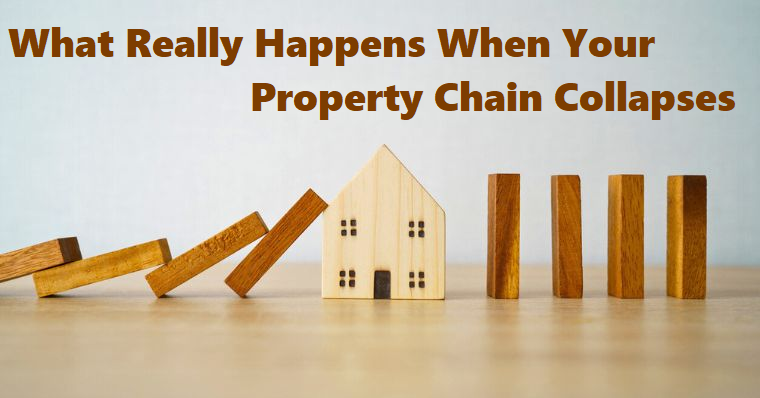
The moment you exchange contracts on your property sale, a fragile ecosystem of interconnected lives and transactions locks into place. This delicate structure—your property chain—represents not just bricks and mortar, but dreams, timelines, and carefully orchestrated life plans. When just one link in this chain fractures, the ensuing collapse is more than an inconvenience; it’s a financial and emotional earthquake with far-reaching aftershocks. Buyer pulling out of house sale is often the trigger, but the consequences cascade through every person connected in the sequence, creating a ripple effect of disruption, stress, and significant cost.
Let’s trace the devastating domino effect from the initial crack to the final, costly fallout.
The First Domino Falls: The Immediate Aftermath
The collapse typically begins with one party being unable to proceed. This is often the buyer at the bottom of the chain (a first-time buyer) or a buyer somewhere in the middle. The reason could be a withdrawn mortgage, a personal crisis, or a change of heart.
The instant this happens:
Legal Penalties Activate: The party that fails to complete is in breach of contract. The seller they were buying from is legally entitled to keep their 10% deposit (or a contractual sum). While this provides some compensation to the immediate seller, it rarely covers the full extent of their ensuing losses.
The Chain Grinds to a Halt: Completion for the entire chain, scheduled for a specific date and time, becomes impossible. Solicitors must halt all final preparations, and the transfer of funds is stopped.
Understanding this domino effect is crucial for any homeowner, especially those in longer chains. The aftermath of a collapse isn’t simply “starting over”; it’s navigating a landscape of broken contracts, lost money, and tangled logistics. Buyer pulled out last minute scenarios are particularly devastating because by this stage, everyone involved has invested not just money, but emotional capital and irreversible life decisions booking removals, giving notice on rentals, enrolling children in new schools. The collapse doesn’t just stop a sale; it unravels a web of dependencies.
The Second Wave: Consequences for the Direct Seller
The seller whose buyer has collapsed is now in crisis. They have likely already exchanged contracts to buy their next property. This means:
- They Are Now in Breach of Their Own Purchase Contract: They have a binding legal obligation to complete on their new home, but no money from their sale to do so. Their seller is now entitled to keep their 10% deposit.
- They Face a Double Financial Hit: They may lose the deposit on their new home while simultaneously incurring costs for their own failed sale (legal fees, agent fees, etc.).
- They Must Find a New Buyer, Fast: They are now under immense pressure to re-market their property and find a new buyer at the same price, all while the clock is ticking on their own purchase. This often leads to panic selling at a reduced price.
The Ripple Effect Up and Down the Chain
Now, the collapse propagates. Let’s follow it both upwards and downwards.
Moving UP the Chain (Towards the Top Seller):
The seller who just lost their buyer is now unable to buy. Therefore, the person they were buying from also cannot complete. This seller now loses their onward purchase, and the domino topples upwards. This continues all the way to the top of the chain—often a person downsizing or an executor selling a probate property. Their entire plan is frozen. A chain with five parties can see four innocent transactions fail because of one initial breakdown.
Moving DOWN the Chain (Towards the Bottom):
f the collapse happened in the middle, everyone below that point is also stranded. The first-time buyer at the bottom who has packed their belongings and ended their tenancy is now homeless. The family in the middle who sold their home to this buyer now has nowhere to go for their own purchase.
How to Stop the Dominoes Before They Fall: The Power of a Chain Breaker Insurance
The traditional advice is to keep chains as short as possible, but this isn’t always within your control. In today’s market, a modern, powerful solution exists: a Sale Completion Guarantee, also known as Chain Break Insurance or a Safety Net Purchase.
This is not just another insurance policy; it’s a strategic intervention. Here’s how it works as the ultimate chain stabiliser:
When you secure a Completion Guarantee from a provider like ClozeSure for your sale, you are inserting an unbreakable link into your part of the chain. You pay a one-off fee (typically a percentage of the sale price), and in return, you get an ironclad promise: If your buyer pulls out after exchange for any reason, ClozeSure steps in as the guaranteed replacement buyer.
This single action neutralises the domino effect:
- Your Sale is Guaranteed: You will receive 100% of your agreed sale price (from the failed buyer’s deposit + ClozeSure’s commitment).
- You Are Not in Breach: With funds secured, you can complete on your purchase. Your onward move proceeds seamlessly.
- You Stabilise the Entire Chain: By honouring your commitment, you prevent the collapse from propagating upwards. You effectively “firewall” the problem, containing it to the initial broken link. The people above you in the chain are protected because you can still complete.
- Peace of Mind Becomes Tangible: You can exchange contracts with the confidence that your life plans are protected, regardless of what happens elsewhere in the chain.
A property chain collapse is a systematic failure, not just a personal setback. It exposes the inherent vulnerability of a system built on simultaneous, interdependent transactions. While you cannot control the actions of others in your chain, you can absolutely fortify your own position.
Investing in a Sale Completion Guarantee isn’t an admission of fear; it’s an act of strategic responsibility. It transforms your role in the chain from a vulnerable participant into a pillar of stability. It ensures that your dreams and plans are not held hostage by the uncertainties of others, allowing you to move forward with the confidence and security you deserve. In the high-stakes game of property, it’s the ultimate way to ensure that when a domino falls, your future doesn’t fall with it.


