 0
0
 0
0
Read Time:3 Minute, 28 Second
When it comes to indoor gardening, few species are as iconic or resilient as the spider plant. Scientifically known as Chlorophytum comosum, this leafy green beauty has earned a permanent spot in homes worldwide. Often referred to by various nicknames such as the airplane plant, ribbon plant, spider ivy, and hen and chicks, it is a versatile evergreen perennial flowering plant belonging to the family Asparagaceae.
Whether you are a seasoned gardener or a “green” beginner, the spider plant is widely considered one of the most adaptable houseplants available today.
Characteristics of the Spider Plant
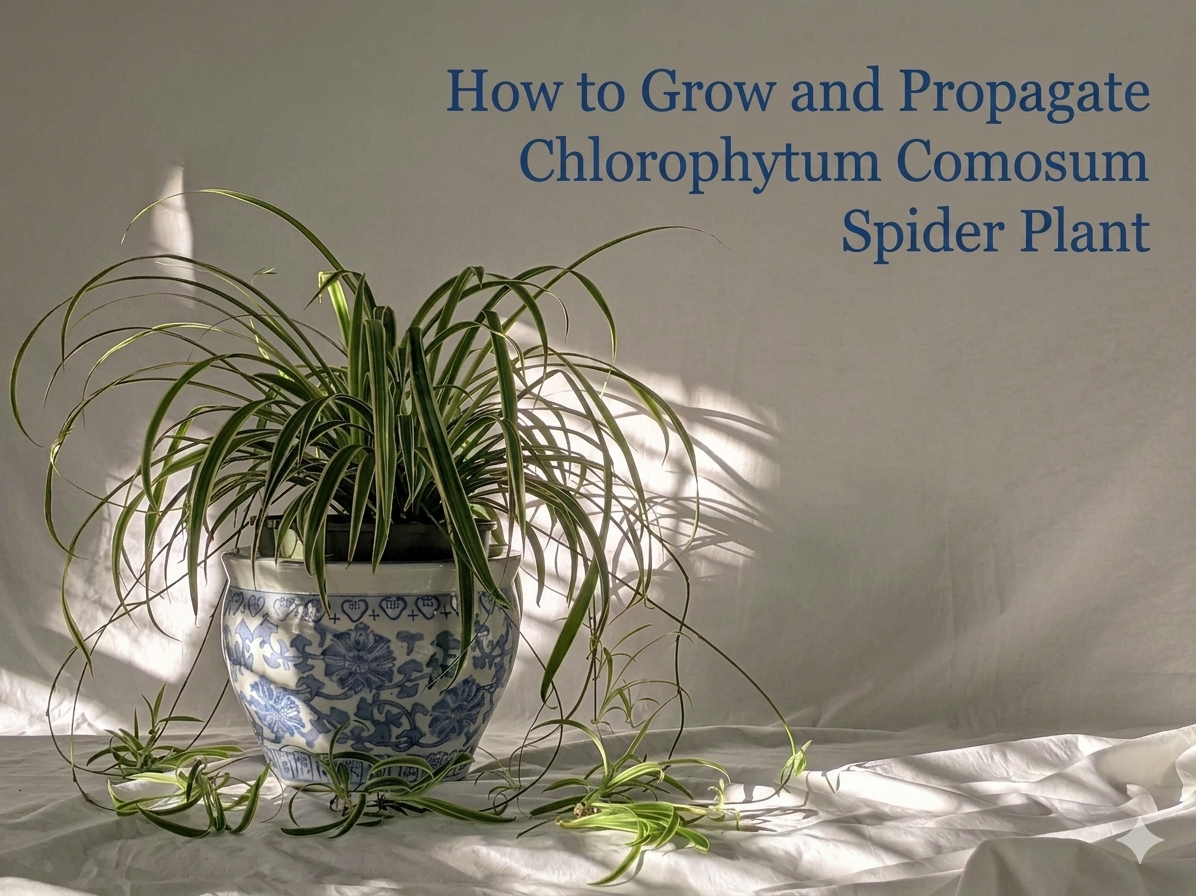
The common spider plant is easily recognizable by its clusters of ribbony leaves. These leaves can be found in solid green or as a variegated variety featuring striking stripes of white or yellow. These leaves emerge gracefully from a crown of fleshy roots.
While the foliage is the main attraction, the plant also produces tiny and white flowers on long, arching stems. The most charming feature, however, is the spider-like offsets, or spiderettes. These plantlets dangle from the mother plant like small spiders on a web, giving the plant its famous name.
Key Information and Growing Facts
To help you understand this plant better, here is a breakdown of its essential details:
- Scientific Name: Chlorophytum comosum.
- Common Names: Spider plant, airplane plant, ribbon plant, spider ivy, hen and chicks.
- Plant Type: Evergreen perennial flowering plant.
- Light Preference: Thrives in indirect light; avoid direct sunlight to prevent leaf burn.
- Best Placement: An eastern or northern window is ideal.
- Benefits: Highly praised for being one of the best air purifying plants.
- Propagation: Extremely easy via spiderettes.
Is the Spider Plant Good for Home?
Absolutely. Beyond its aesthetic appeal, the spider plant is functional. It is frequently listed in studies as a top choice for indoor environments because it helps remove harmful toxins from the air. Because it is non-toxic to most pets, it is a safe choice for households with cats and dogs.
Expert Care Tips for Thriving Foliage
While the spider plant care routine is simple, following a few basic guidelines will ensure lush foliage all year.
Lighting Requirements
In its native range, this plant lives in the tropical undergrowth, flourishing under a dappled canopy light. To mimic this in your home, provide bright, indirect light. While it can tolerate low light, a shady spot might cause the beautiful variegation to fade. If you must place it near a southern or western window, use a gauze curtain to protect it from harsh rays.
Watering and Soil
These plants prefer moist, loamy soil with good drainage. While they are fast growing and “don’t mind being watered frequently,” you should avoid letting them sit in soggy soil. One of the few issues you might face is occasional brown tips, which are often caused by fluoride in tap water or inconsistent watering.
Propagation: Sharing the Love
One of the most rewarding aspects of owning a spider plant is how easy it is to propagate. Once the blooming is finished, the plant produces pups or spiderettes. You can simply snip these off at the node and plant them in moist soil or water. They are the perfect plants to share with friends.
Frequently Asked Questions
Where is the best place to keep a spider plant?
The best location is a spot with bright, indirect light, such as near an eastern or northern window. They also do well in bathrooms due to the higher humidity.
The best location is a spot with bright, indirect light, such as near an eastern or northern window. They also do well in bathrooms due to the higher humidity.
What are the disadvantages of spider plants?
There are very few downsides, though they can be sensitive to chemicals in tap water, leading to brown tips. Additionally, if they don’t get enough light, they may lose their vibrant stripes.
There are very few downsides, though they can be sensitive to chemicals in tap water, leading to brown tips. Additionally, if they don’t get enough light, they may lose their vibrant stripes.
Can they grow outdoors?
Yes! While mostly kept as indoor plants, you can grow them as perennials outdoors in warmer growing zones.
Yes! While mostly kept as indoor plants, you can grow them as perennials outdoors in warmer growing zones.
Conclusion
The spider plant (Chlorophytum comosum) remains a staple in the world of houseplants for a reason. Its sturdy and vigorous habit, combined with its unique spider-like look, makes it a “must-have.” Whether you want to clean your air or simply add some greenery to your desk, this low-maintenance plant is a perfect choice.


Happy
0 %

Sad
0 %

Excited
0 %

Sleepy
0 %

Angry
0 %

Surprise
0 %