 0
0
 0
0
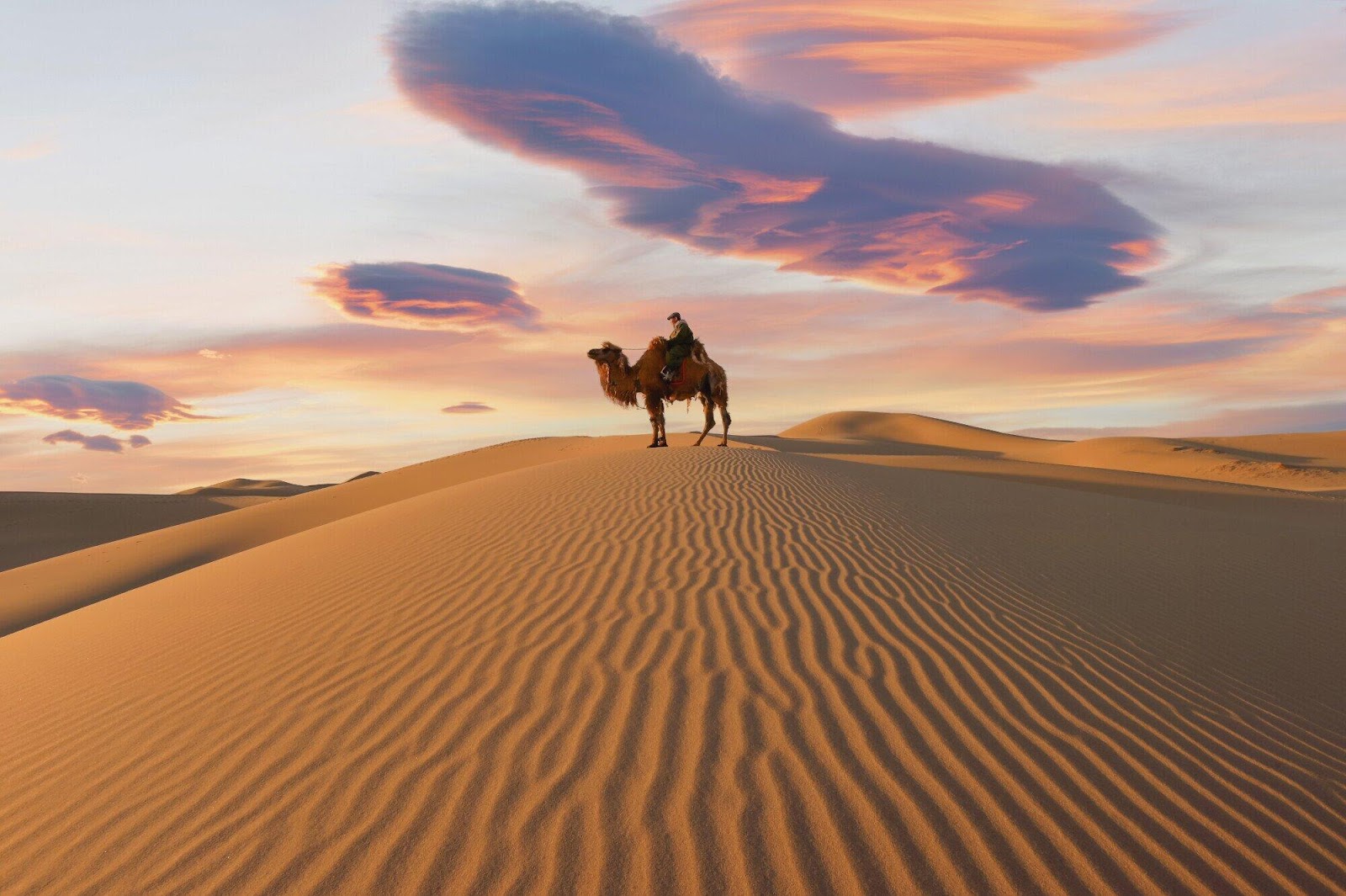
Imagine standing in the vast expanse of golden dunes, where the sun blazes overhead and only the faint whisper of the wind breaks the eerie silence. Desert adventures hold a unique thrill, but they also come with challenges that can quickly turn a dream trip into a dangerous ordeal.
With the right preparation and knowledge, you can safely navigate these stunning arid landscapes. This guide offers essential tips on hydration, heat protection, gear selection, and planning to ensure a secure and unforgettable journey through the desert. Keep on reading to learn more.
Understanding the Climate and Environment
The first step in preparing for any desert adventures is to understand the climate. Deserts are characterized by extreme temperatures-sweltering during the day and can dip drastically at night. The lack of humidity means you can lose significant amounts of body water without realizing it. Researching the specific desert you’ll be exploring is crucial. For example, the challenges of navigating the Sahara differ greatly from those in the Mojave.
Temperature Variations
Daytime temperatures can soar above 100°F (38°C), while nighttime temperatures can plummet to near freezing. This sharp contrast means travelers must pack appropriately for both extremes. A thermometer is a handy tool to help gauge temperature and adjust your plans accordingly. Understanding these temperature variations can help you decide when to embark on hikes and excursions.
Hydration: Your Top Priority
Drinking enough water is one of the most important things you must do to stay safe in hot, dry places. In the desert, dehydration can happen fast, even if you do not feel thirsty right away. A good rule to follow is to drink at least one gallon of water each day. This is about 4 liters. However, if you are walking a lot or doing hard work, you may need even more water.
It is smart to carry your water in strong bottles or water bladders that won’t break easily. This keeps your water safe while you travel. Adding electrolytes to your water, such as salt or special drink mixes, can help your body hold onto the water better. This keeps you from losing too much water when you sweat.
One way to check if you are drinking enough is to watch the color of your urine. Light yellow means you are doing well. Dark yellow or orange may mean you need to drink more. Many people find it better to drink small sips often instead of drinking a lot all at once. Small sips help your body absorb the water slowly and work better.
Heat Protection Strategies
Protecting yourself from the sun involves more than just wearing the right clothing. It is important to take additional steps to safeguard your skin and overall health during sunny days.
One of the most effective ways to protect your skin is by applying a broad-spectrum sunscreen with an SPF of at least 30. Make sure to cover all exposed skin, including areas that are easy to overlook, such as your ears, the back of your neck, and the tops of your feet. Reapply sunscreen every two hours, or more often if you are swimming or sweating.
In addition to sunscreen, wearing a wide-brimmed hat can offer extra protection for your face, neck, and ears. UV-blocking sunglasses are also recommended to shield your eyes from harmful rays, reducing the risk of eye damage and long-term vision problems.
Whenever possible, seek shade, especially during the hottest part of the day, typically between 10 a.m. and 4 p.m. This is when the sun’s rays are the strongest and can cause the most damage. If you need to be outdoors during these hours, try to limit your time in direct sunlight.
Essential Gear for Desert Adventures
Your choice of gear can greatly influence the success of your trip. Pack smart, focusing on lightweight yet durable items that can withstand desert conditions. Here are the essentials:
- A reliable compass and map
- Multi-tool or knife for various tasks
- Shelter options like a lightweight tent or emergency bivy sack
- First aid kit tailored for the desert environment
- Cooking gear that can handle wind and sand
Invest in shoes with good grip-sand can be treacherous. Additionally, consider packing a personal locator beacon (PLB) for emergencies. These devices can transmit your GPS coordinates to search and rescue teams if trouble arises.
Planning Your Route and Timing
Proper planning is imperative for any desert adventures. Always familiarize yourself with the terrain, weather conditions, and any alerts for the area you plan to visit. Set clear goals of what you want to achieve, whether it’s a short hiking trip or an extensive exploration.
Prioritizing Safety
Make sure to inform someone of your itinerary and expected return time. Leaving trail markers or signals can also be beneficial in case of a lost direction. Never embark without letting others know where to find you should you not return as expected.
Real-Life Experience from Morocco Desert Tours
One of the most breathtaking yet humbling experiences can be found in the vast desert landscapes of Morocco. Exploring the Sahara provides unique opportunities to see endless dunes and starry nights.
Participating in organized Morocco desert tours allows for a deeper understanding of navigating these environments safely with the guidance of local experts who have first-hand knowledge of the terrain. It is also a perfect place for wine lovers as you can find options with the best quality.
Key Takeaways for Safe Desert Adventures
As you prepare for your next desert adventure, there are some things to keep in mind. Here are some key takeaways:
- Hydration is paramount; plan accordingly
- Prepare for extreme temperature variations
- Invest in quality gear suited for desert conditions
- Stay informed about your route
- Share your plans with others
With proper planning and respect for the harsh environment, your desert adventures can be safe, enjoyable, and incredibly rewarding. Embrace the beauty around you, but never forget that preparation is key to ensuring these stunning locations remain enjoyable and memorable.
Your Next Adventure Awaits
Desert exploration offers unparalleled beauty and awe-inspiring landscapes. Safety should always be your priority when embarking on such journeys. Remember to stay hydrated, protect yourself from the sun, choose appropriate gear, and ensure a well-planned route.
Whether you’re heading out for a short walk or a week-long trek, do your research and create a plan that guarantees a rewarding experience. Happy travels!
For more related topics, check out the rest of our blog!


