 0
0
 0
0
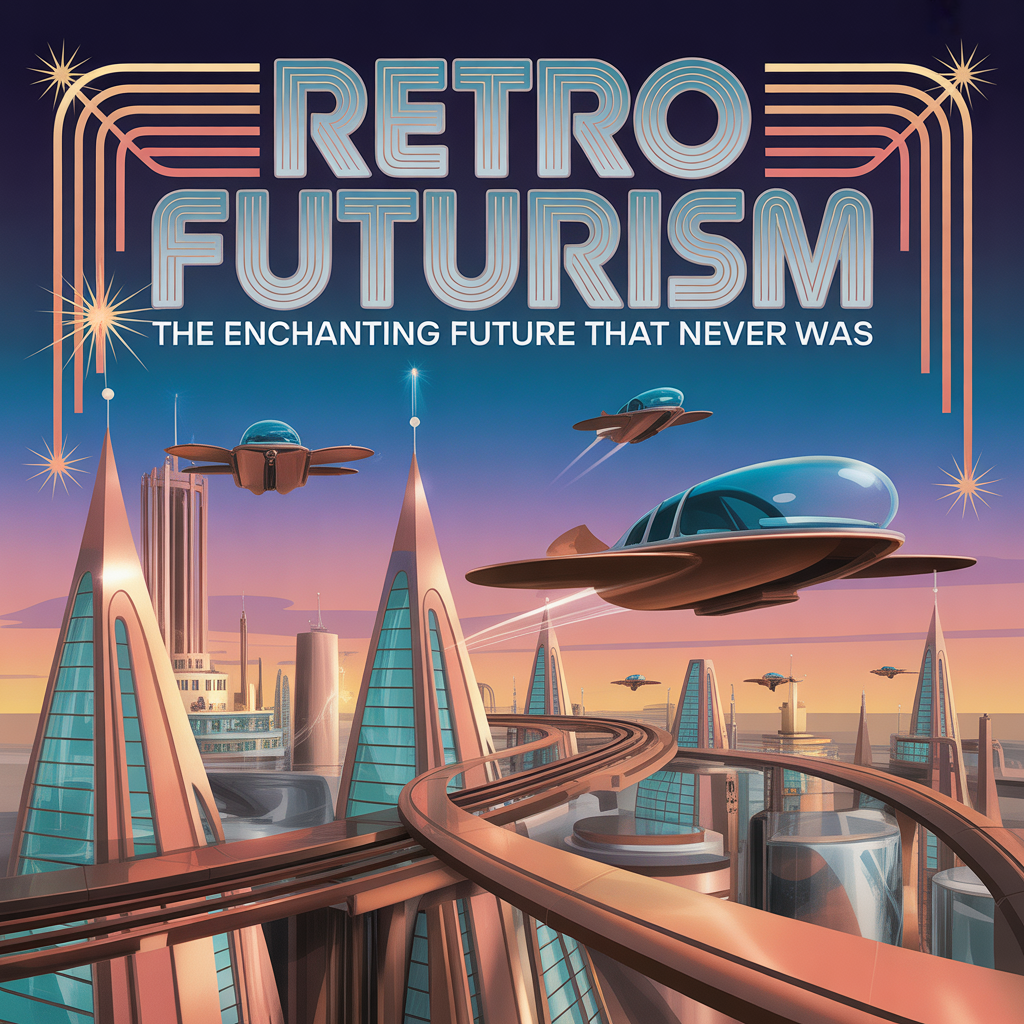
In an era dominated by sleek minimalism and AI-driven realities, retro futurism (also known as retrofuturism) stands out as a refreshing and imaginative movement. This artistic and design style merges the optimistic, often whimsical dreams of the mid-20th century spanning the 1950s to 1980s with contemporary creativity. It paints a picture of a “future that never was,” filled with flying cars, space colonies, robotic companions, and utopian societies, all adorned in shiny chrome, sleek aerodynamic lines, and bold atomic-age elements.
Retro futurism isn’t about accurate predictions; it’s a nostalgic celebration of how previous generations envisioned progress. From the excitement of the Space Race to the boundless faith in technology, this aesthetic captures a time when the future seemed bright, limitless, and delightfully naive.
What Defines Retro Futurism?
Retro futurism thrives on the contrast between yesterday’s bold forecasts and today’s reality. It evokes a sense of “remembering anticipation” that thrilling expectation of wonders like personal jetpacks or moon bases that never fully materialized in the way imagined.
Core Characteristics
Here are the main points that make retro futurism instantly recognizable:
- Nostalgic Futurism: Focuses on past-era interpretations of the future, blending nostalgia with imaginative “what if” scenarios.
- Visual Style: Incorporates influences from Art Deco and Mid-Century Modern, with vibrant bold colors, atomic geometric shapes, polished chrome surfaces, and a mix of analog gauges alongside digital interfaces.
- Optimistic Themes: Emphasizes scientific advancement, space exploration, and harmonious utopian living, standing in stark contrast to contemporary dystopian narratives.
- Iconic Elements: Features motifs like raygun gothic architecture, towering rocketships, friendly bulky robots, domed cities, and streamlined designs inspired by speed and elegance.
These traits create a visually dynamic and emotionally resonant aesthetic that feels both familiar and fantastically otherworldly.
Retro Futurism in Culture and Media
The influence of retro futurism extends far beyond art galleries into mainstream entertainment, where it continues to inspire creators.
Art and Design Origins
Rooted in 1960s concept illustrations and vintage sci-fi posters, modern designers draw from these to craft branding, interiors, and digital experiences that evoke wonder.
Video Games Embracing the Aesthetic
Games have become a prime playground for retro futurism:
- Fallout series: Post-apocalyptic worlds with 1950s-inspired tech and optimism gone awry.
- BioShock: Underwater art deco cities blending elegance with eerie futurism.
- Cyberpunk 2077: Neon-soaked streets echoing 1980s visions of high-tech urban life.
These titles immerse players in detailed environments that highlight the charm and irony of outdated futures.
Film and Television Highlights
Classic and modern media showcase retro futurism vividly:
- The Jetsons: The quintessential animated family living in a sky-high automated world.
- Blade Runner: Gritty neon cities with a retro twist on cyberpunk.
- The Incredibles: Superhero tales infused with mid-century stylish futurism.
These works not only entertain but also reflect societal hopes and fears about technology.
Why Retro Futurism Is Thriving in 2026
As we navigate January 2026, retro futurism experiences a notable resurgence across design, fashion, and digital media. Several factors contribute to its enduring appeal:
- Nostalgia Power: In a fast-paced world, it reconnects us with simpler, more hopeful cultural dreams from the past.
- Thoughtful Commentary: It subtly examines our evolving bond with technology celebrating excitement while adding ironic layers about unfulfilled promises.
- Practical Design Value: Brands and marketers leverage its unique look for standout visuals in advertising, websites, and products, offering a playful alternative to flat modern interfaces.
This style provides emotional warmth and visual boldness, making it ideal for engaging audiences seeking escapism and inspiration amid rapid technological shifts.
The Lasting Allure of Retro Futurism
Ultimately, retro futurism reminds us that visions of the future are deeply tied to the era creating them. By reviving these optimistic imaginings with chrome gleams, flying cars soaring, and robots assisting cheerfully it invites us to dream anew. In 2026, as innovation accelerates, this movement encourages blending nostalgia with forward-thinking creativity, proving that the “future that never was” still holds endless fascination.
Whether in art, games, or everyday design, retro futurism continues to captivate, offering a timeless bridge between yesterday’s hopes and tomorrow’s possibilities.


