 0
0
 0
0
The highly anticipated Alaska summit between Donald Trump and Vladimir Putin concluded without a ceasefire agreement, leaving uncertainty about the future of the ongoing conflict in Ukraine. While the meeting was billed as a crucial step toward peace, the absence of concrete progress has generated intense debate in both Washington and Moscow. Instead of a breakthrough, what emerged was a series of symbolic gestures, cautious rhetoric, and an invitation from Trump for Putin to visit the United States.
In this comprehensive analysis, we outline five major takeaways from the Trump–Putin Alaska summit and examine what the outcome means for U.S.–Russia relations, Ukraine, and the broader global order.
Background: Why the Alaska Summit Mattered
The decision to host the meeting in Alaska carried powerful symbolism. As the closest U.S. state to Russia, Alaska represents both the tension and potential cooperation between the two nations. For Trump, the summit was an opportunity to reassert American influence in the region and test his ability to negotiate directly with Putin. For Putin, the meeting offered a platform to demonstrate Russia’s resilience under sanctions and project Moscow’s global standing.
With the war in Ukraine dominating international headlines, expectations were high. Many hoped the meeting would yield at least a partial ceasefire or humanitarian corridor agreement. However, by the time both leaders departed Anchorage, no such deal had been reached.
Key Developments During the Meeting
Before exploring the five takeaways, it is important to summarize the central developments:
-
The two leaders discussed Ukraine extensively, but no ceasefire or roadmap to peace was announced.
-
Trump extended an invitation to Putin to visit Washington later this year, sparking mixed reactions among allies.
-
Economic sanctions, NATO’s expansion, and energy security dominated side discussions.
-
Both leaders emphasized the importance of maintaining open communication channels despite disagreements.
-
The summit ended with a joint statement stressing “constructive dialogue” but lacking actionable commitments.
Five Takeaways from the Trump–Putin Alaska Summit
1. No Ceasefire Agreement in Ukraine
The central expectation of the Alaska summit was a ceasefire in Ukraine, but neither side offered concessions that could pave the way toward one. Trump emphasized the need for de-escalation but stopped short of pressing Moscow into an immediate commitment. Putin reiterated Russia’s stance that Kyiv must recognize “new territorial realities,” a position unacceptable to Ukraine and the West.
The absence of progress underscores the entrenched positions on both sides. For Ukraine, the outcome is a disappointment, as hopes for external diplomatic pressure on Moscow have faded.
2. Trump’s Invitation to Moscow
Perhaps the most surprising development was Trump’s invitation for Putin to visit the United States. While intended as a gesture of diplomacy, the move has raised eyebrows among U.S. allies who fear it signals a softening stance toward Russia.
This invitation, without any concrete progress on Ukraine, risks being interpreted as a concession to Moscow. However, Trump framed it as a chance to continue dialogue and prevent further deterioration in relations. The visit, if it takes place, will likely be one of the most scrutinized events in recent U.S. diplomacy.
3. Energy and Economic Discussions Take Center Stage
Although Ukraine dominated headlines, energy security and economic sanctions were also high on the agenda. Trump pressed Putin on Russia’s role in global energy markets, particularly its influence over oil and gas supplies. Putin, in turn, criticized Western sanctions as “counterproductive” and reiterated Russia’s pivot toward non-Western partners.
For global markets, this discussion is critical. While no agreements were made, both leaders acknowledged that economic cooperation remains a potential area of common interest, even amid deep political differences.
4. NATO and Security Commitments Reaffirmed
During the summit, Trump reaffirmed U.S. commitments to NATO and European allies, despite criticisms from Moscow. Putin reiterated his opposition to NATO’s continued expansion, framing it as a direct threat to Russia’s security.
This exchange highlighted one of the most intractable issues in U.S.–Russia relations. While dialogue remains open, neither side appears willing to compromise on NATO’s role in Eastern Europe. The Alaska meeting reinforced the reality that NATO will remain a central flashpoint in the relationship for the foreseeable future.
5. Symbolism Over Substance
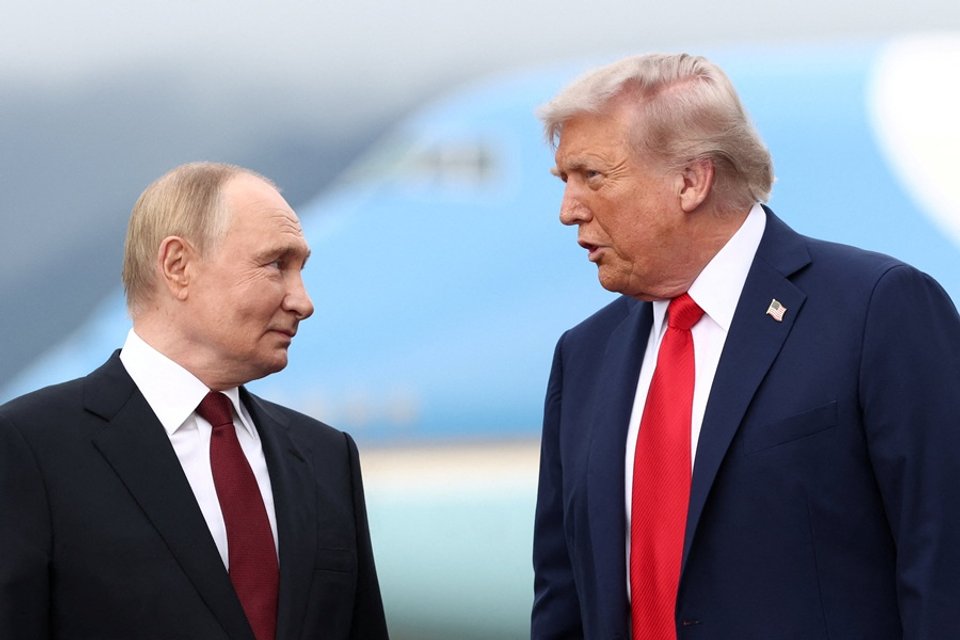
Ultimately, the Alaska summit will be remembered more for its symbolism than its substance. The image of Trump and Putin meeting in Anchorage sends a message about the willingness of both sides to engage, but the absence of tangible results raises questions about the effectiveness of such high-profile diplomacy.
For critics, the meeting represents yet another missed opportunity to push toward peace in Ukraine. For supporters, it demonstrates that dialogue remains possible at a time when mistrust is at historic highs. Either way, the summit leaves more questions than answers about the future direction of U.S.–Russia relations.
What Comes Next After the Alaska Summit?
While the summit failed to produce a ceasefire, it may still serve as a stepping stone for future diplomacy. Trump’s invitation to Moscow ensures that dialogue will continue, though the political risks of appearing too conciliatory toward Putin remain high.
For Ukraine, the lack of progress highlights the importance of strengthening alliances with NATO and maintaining pressure on Russia. For Russia, the meeting underscores Moscow’s determination to hold firm to its strategic objectives, even in the face of Western pressure.
The next few months will be crucial in determining whether the Alaska summit becomes a prelude to more meaningful negotiations—or a symbolic gesture soon forgotten.
Conclusion: A Summit That Raised Questions, Not Solutions
The Trump–Putin Alaska summit was billed as a potential turning point in U.S.–Russia relations, yet it ended without the breakthrough many hoped for. The absence of a ceasefire in Ukraine, the surprising invitation to Moscow, and the reaffirmation of entrenched positions suggest that while dialogue is ongoing, real progress remains elusive.
For now, the meeting underscores the difficulty of resolving deeply rooted geopolitical conflicts through one-on-one diplomacy alone. Whether the Alaska summit becomes a stepping stone or a missed opportunity will depend on the choices both Washington and Moscow make in the months ahead.
For more information visit BBC!


